Finasteride 1mg for Hair Loss: Myths, Facts, and Real Results
01/27/2026
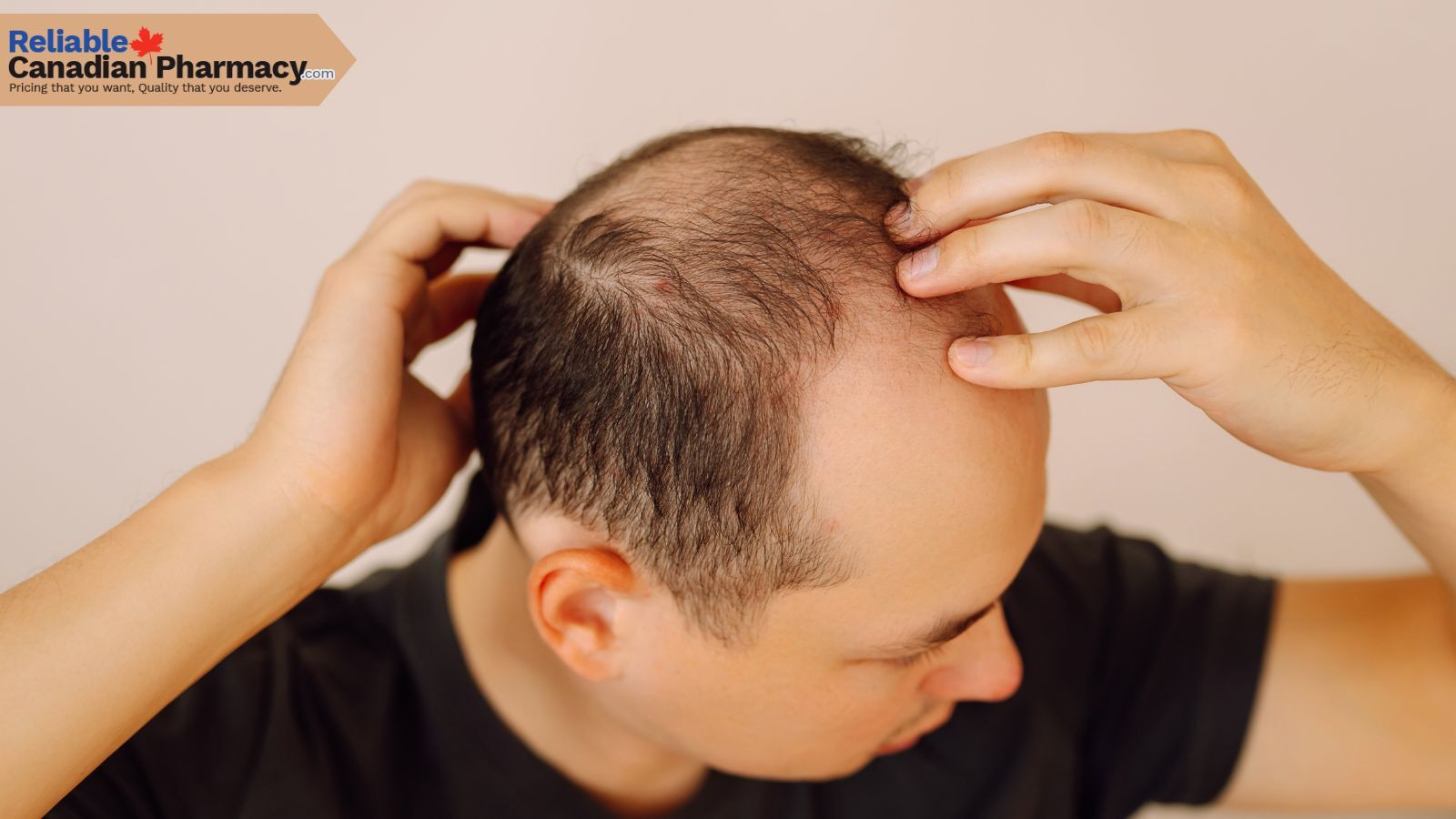
You are looking at a photo of yours from years ago and realize your hair isn't how it used to be. Symptoms of pattern baldness do not affect your physical health and are not life-threatening. However, it does take a toll on your self-confidence. A study shows that 30-50% of males are prone to pattern baldness. It also states that pattern baldness can affect the majority of men by the age of 50 years. Not just men; even women are not safe from this condition’s radar.
Finasteride is a popular oral medication that is used to protect your hair follicles and manage hair loss. This medication has helped millions of men for decades, but it is still surrounded by a few rumors. In this blog, we will debunk these rumors.
Male Pattern Baldness
Androgenetic Alopecia, which is also known as Male Pattern Baldness, is one of the most common causes of hair loss among men. This condition has different stages of baldness, and it usually starts affecting men in their 30s, but some individuals may experience symptoms of pattern baldness in their late teenage years. Dihydrotestosterone (DHT) is a potent hormone that is derived from testosterone and is the core reason for male-pattern baldness. DHT binds to androgen receptors present in genetically sensitive hair follicles, making them thinner and causing them to shrink. It negatively affects the growth cycle of hair by progressively making the hair shorter and thinner to a point where hair follicles stop producing strands of hair, leading to bald patches on your head. Your genetics play an imperative role in the initiation and progression of male pattern baldness, and it is influenced by genes from both sides of your family.
This condition is more prevalent among men than women because men have higher levels of testosterone.
History of Finasteride 1mg Tablets and its Working Mechanism
Finasteride 1mg tablets are an oral medication that is prescribed for hair loss treatment. Initially, this medication was used to treat enlarged prostate glands by administering a higher dosage. After going through clinical trials, it was observed that the growth of hair turned out to be a side effect of this medication among men with prostate problems. This observation motivated the company to develop Finasteride as the first oral medication in the world to treat male-pattern baldness. The US Food and Drug Administration approved the use of Finasteride for treating baldness among men in 1997.
This oral medication contains Finasteride as the active ingredient, which is classified as a selective and competitive inhibitor of the enzyme 5-alpha-reductase. This enzyme actively converts Testosterone into Dihydrotestosterone (DHT), and, as discussed above, DHT is one of the main causes of baldness. Finasteride induces a lower level of DHT in your body by inhibiting this conversion process. By lowering the levels of DHT in your body, Finasteride protects your hair follicles from shrinking, and its continuous use can even cause the hair to regrow after a long period.
This medication is generally prescribed in a 1mg dosage for treating hair loss. However, the dosage may vary based on your personal condition. The time of the treatment and dosage are decided by your doctor after careful evaluation of your condition and personal factors. Do not quit the intake of this medication prematurely and avoid deviating from the dosage without consulting them.
Our Expertise on Myths and Facts Associated with Finasteride
Finasteride 1mg tablets have been available for over a decade, yet there are some misconceptions that surround them. These misconceptions are nothing but myths that discourage people from using this medication, as they think that it will worsen the condition. We want you to know these myths and the facts hidden behind them.
Myth: Using it leads to permanent impotence!
This myth is scary, and with false news like this, people might completely refrain from using the medication. No one would want to fix hair loss at the cost of disturbing their sexual health. People are under this doubt because this medication restricts the conversion of testosterone to DHT, which will lower their sex drive and affect sperm count, too.
The fact is, using this medication may cause erectile dysfunction temporarily. It is true that this medication has potential side effects like weaker libido, low sperm count, and erectile dysfunction. However, these side effects were only observed in approximately 2 percent of people in clinical trials when testing Finasteride. Also, the side effects of this medication are reversible. Studies found that the sexual side effects faded away for those who stopped taking the medication and even for those who continued its use.
Myth: It is only meant to be used by older men!
People have a misconception that only men in their 50’s and 60’s use this medication as a last resort for treating hair loss. People associate baldness with older men and may not want to use this medication, thinking of themselves as too young for it. Some may conceive it for its original use of treating prostate.
The fact is that this medication has nothing to do with age. Pattern baldness in males usually occurs between the ages of 20 and 30, and may even occur earlier in some cases. There is a significantly better chance of preserving your hair follicles if you begin taking this medication early. Identify the condition in the early stages and consult your doctor.
Myth: Stopping its use will lead to complete hair loss!
This myth sounds like a lifelong trap, as nobody would want to use this medication if it would lead to complete loss of hair after quitting its intake. One would rather think of finding other medications than using this one for managing hair fall.
The fact is, this medication will not lead to immediate loss of hair after you stop using it. Discontinuing its use will increase the levels of DHT in your body, and it may start damaging hair follicles again. But this will resume hair loss at a normal pace, as it was prior to taking this medication
Myth: Finasteride is not that effective!
The most untrue yet one of the most prevalent myths is that Finasteride is not effective for treating hair loss.
On the contrary, Propecia 1mg Tablets have a significant success rate for treating hair loss when taken as directed by the doctor. This medication may take 1-2 years to restore the growth of your hair, but you may witness improvements in hair fall within a couple of months.
Conclusion
Whenever using a medication, it is best to do a bit of research and consult your doctor about it. When dealing with a condition such as pattern baldness, it is imperative to begin the treatment at the right time to prevent excessive damage to hair follicles. Try to understand the stages of pattern baldness and identify if you are going through it. You can always consult your doctor if you are not sure if this much hair fall is alarming or normal.
Looking for a way to buy Finasteride online? Do not worry, as we have got you covered. Enjoy secure and hassle-free delivery by buying this medication from ReliableCanadianPharmacy.com







Comments