Female Infertility: 8 Common Causes and Available Treatment Options
09/26/2026
Trying to conceive but unable to get fruitful results can be very hard and can feel like an emotional rollercoaster. When month after month passes without a positive pregnancy test, it is completely natural to feel overwhelmed, anxious, or confused. If you are wondering what might be standing in the way of your dream of motherhood, you are not alone. Female Infertility is a common medical condition, which is not a personal failure, and the good news is that modern reproductive medicine has made incredible strides in overcoming it.
Modern Female infertility treatment offers many solutions, from simple lifestyle changes and medicines to IUI and IVF. Early diagnosis helps identify the cause and improves the chances of a successful pregnancy with the right available treatment options. But before that, let’s understand what female infertility is, the most common symptoms of female infertility, 8 common causes of female infertility, and infertility treatment options, which include therapies and medication, for restoring the pillars of conception and moving closer to holding your baby one fine day.
What is Female Infertility?
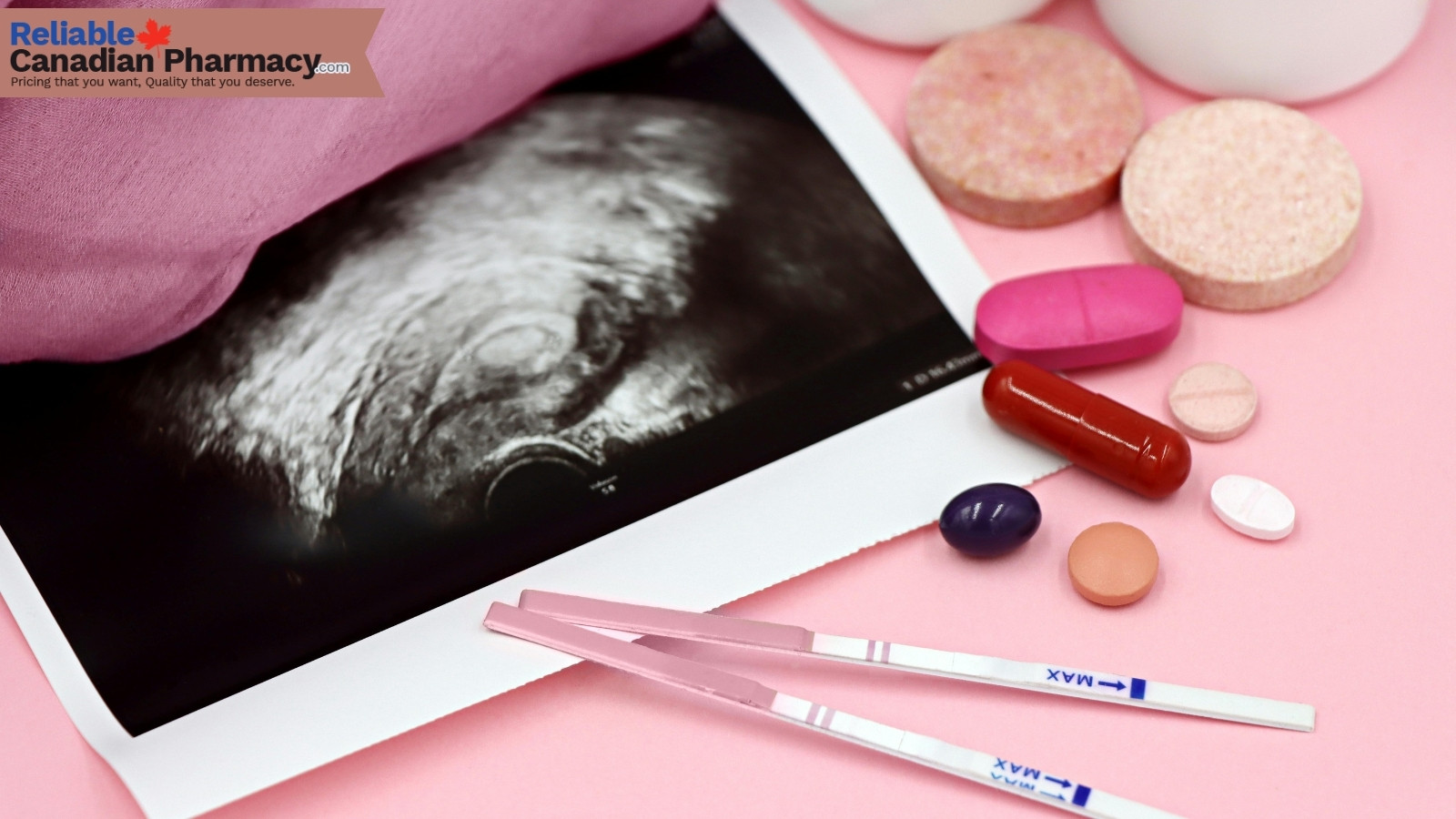
Female infertility is the inability or struggle to conceive naturally, and it can take a toll on one’s physical, mental, and emotional health. You may face fertility problems:
-
If you are younger than 35 years of age and are unable to get pregnant after 1 year of trying;
-
If you’re 35 and older, haven’t been able to conceive for more than 6 months;
-
If you’ve miscarried a pregnancy two or more times
-
If you’ve not benefited from fertility treatments.
Female infertility could be the result of problems with one or more major elements such as egg production, fertilization, or implantation.
Most Common Symptoms of Female Infertility
The most common symptoms of female infertility are
-
No menstrual cycle
-
An irregular menstrual cycle
-
An unusually long menstrual cycle (35 days or more)
-
Short menstrual cycle (21 days or less)
-
Painful menstrual cycle
8 Common Causes of Female Infertility
Female Infertility is usually more or less a combination of nature or nurture. Many things go wrong during the process of acquiring the ability to conceive, leading to infertility. Some of the common causes of infertility in females are given below:
Polycystic Ovary Syndrome (PCOS)
PCOS is generally a hormonal disorder in women of reproductive age and one of the prominent causes of female infertility. It disrupts regular ovulation, so eggs may not be released as expected, causing irregular or missed periods, excess androgen levels, and multiple ovarian cysts. PCOS can also cause acne, weight gain, and unwanted facial hair.
Ovulation Disorders Beyond PCOS
PCOS does not cause ovulation issues. A range of other disorders can prevent the ovaries from releasing eggs regularly, a process that is essential for conception. These disorders may originate from hormonal imbalances, excessive physical or emotional stress, extreme weight changes, or underlying medical conditions affecting the pituitary or hypothalamus glands.
Endometriosis
Endometriosis is a condition in which tissue that looks identical to the uterine lining grows outside the uterus, usually on the ovaries, fallopian tubes, or pelvic lining. These misplaced tissues respond to hormonal changes during the menstrual cycle, leading to scar tissue, inflammation, and sometimes cysts. Adhesions may physically block the fallopian tubes or ovaries, while inflammation can interfere with egg quality, fertilization, and implantation.
Fallopian Tube Blockage or Damage
Damage or blockage in fallopian tubes can prevent the process of providing the passageway for the egg and sperm to meet, which makes natural conception difficult or impossible. A blocked tube does not always cause noticeable symptoms, which is why fallopian tube assessment is a standard part of the fertility evaluation and one of the strongest reasons not to delay looking for a fertility examination if you have been trying without success.
Uterine Structural Problems
The uterus provides the environment for a developing embryo, and structural abnormalities can impact fertility. Uterine fibroids, noncancerous growths within the uterine wall, are a common issue that can distort the uterine cavity, interfere with implantation, or increase the risk of miscarriage based on their size and location. Polyps, congenital malformations such as a septate uterus, and scar tissue from previous surgeries, known as Asherman’s syndrome, can also affect conception.
Age and Diminished Ovarian Reserve
Age is one of the most important factors influencing female fertility. As women get older, both the number and quality of their eggs decrease, a process referred to as diminished ovarian reserve that mainly accelerates in the mid-thirties and becomes more pronounced after 40 years of age. While many women conceive naturally in their late thirties, the chances of pregnancy decrease and the risk of miscarriage increases over time.
Primary Ovarian Insufficiency
Primary Ovarian Insufficiency (also referred to as premature ovarian failure) is a stage when the ovaries stop functioning normally before age 40, which results in irregular or absent periods, low estrogen levels, and elevated follicle-stimulating hormone levels. Unlike natural menopause, it can develop suddenly and sometimes reverses unpredictably. Causes may include genetic factors, autoimmune disorders, or medical treatments like chemotherapy, and in some cases, the cause remains unexplained.
Hormone Imbalances and Thyroid Disorders
The reproductive system depends on a delicate hormonal balance orchestrated by the pituitary, thyroid, and other glands. Conditions such as hyperthyroidism, hypothyroidism, or pituitary dysfunction can disrupt ovulation and menstrual cycles in ways that are not always obvious. High prolactin levels may also interfere with normal egg release.
Infertility Treatment Options
Female Infertility treatment is based on the underlying cause, age, and overall health. In most cases, doctors use multiple approaches to improve your chances of conceiving. Your doctor recommends these options.
Lifestyle Changes
Lifestyle changes such as weight management and forever quitting the consumption of alcohol, smoking, or recreational drugs can help preserve fertility. However, lifestyle changes, including a weight loss of about 5-10%, can restore ovulation in 50-60% of obese women according to several studies.
Assisted Reproductive Techniques (ART)
ART includes intrauterine insemination (IUI), which involves putting sperm directly into the uterus to increase the fertilization chances. In contrast, in Vitro fertilization (IVF) is a more advanced technique in which eggs are fertilized in a laboratory, and the resulting embryos are transferred into the uterus. In selected cases, IUI is usually tried, while IVF is recommended when other treatments fail or in more complex conditions. However, success rates for both depend on factors such as age and ovarian reserve.
Surgical Female Infertility Treatment
To correct the structural abnormalities interfering with fertility, surgery is needed. The procedures involve hysteroscopy or laparoscopy and can help treat conditions such as fibroids, uterine abnormalities, or endometriosis. Tubal surgeries are sometimes performed to restore normal function in selected cases.
Advanced Options
Advanced Options like the use of donor eggs or genetic testing of embryos can be considered in specific cases, especially when ovarian reserve is low or with increasing age.
Fertility Medication Drugs in Females You Should Know About
Each of the fertility medication drugs focuses on a different part of your reproductive cycle. Understanding what each one actually does will help you decide your options before you even sit down with a specialist.
Letrozole helps stimulate your ovulation
Letrozole is one of the commonly prescribed female infertility drugs for ovulation induction, primarily for women with PCOS. It does not react directly to estrogen receptors. It restrains the aromatase enzyme, which converts androgens to estrogens. This reduction in estrogen levels causes the body to increase follicle-stimulating hormone (FSH) production, which induces the growth and development of ovarian follicles and enhances ovulation. This medicine is generally taken for five days early in the menstrual cycle. The effectiveness of this medicine in inducing ovulation is generally higher.
Clomiphene citrate
Clomiphene citrate, usually known as Clomid, has been used for ovulation induction for decades and has been a preferred option prescribed by doctors today. By obstructing the passageway of estrogen receptors in the hypothalamus, this medicine triggers a chain reaction that increases gonadotropin-releasing hormone production and increases the discharge of luteinizing hormone and follicle-stimulating hormone from the pituitary gland, which stimulates ovulation. You can take this at a 50 mg dose daily for five days, starting on the 5th day of the menstrual cycle. If ovulation does not happen, your doctor may increase the dose in subsequent cycles, usually to 100 or 150 mg daily; the regimen may depend on individual response and specific fertility issues.
Gonadotropins support your follicle development
Gonadotropins are injectable medicines consisting of hormones your body already makes, mainly follicle-stimulating hormone and luteinizing hormone. They work by directly stimulating your ovaries to develop multiple follicles, rather than working indirectly through your brain like clomiphene or letrozole. This makes them more powerful and requires closer supervision.
Human Chorionic Gonadotropin, hCG
hCG is usually the trigger shot in fertility treatment. After your follicles reach the right size, hCG replicates the natural hormone surge that triggers final egg maturation and release. Its timing is short and coordinated with timed intercourse, IUI, or egg retrieval for IVF. hCG is rarely used alone because it works alongside other fertility drugs such as clomiphene, letrozole, or gonadotropins, and its use is closely tied to how your body has responded through monitoring.
Final thoughts
Discovering what is causing your fertility struggles is the first and most important step towards overcoming them. Your challenges stem from hormonal imbalances, structural issues, lifestyle influences, and underlying medical conditions. While it can feel overwhelming, understanding female infertility causes, symptoms, and available female infertility treatment options is the first step towards effective management.
The encouraging part is that most cases of infertility are manageable, with a range of options from medications and lifestyle modifications to advanced technologies like IVF that could help improve fertility. Early examination, timely intervention, and a personalized caring approach can make a significant difference in infertility treatment.







Comments